Dental Crown Materials Explained: Porcelain, Zirconia, and More Options
Dental crowns come in several materials, and understanding the differences can help you make a more confident choice before your next dental appointment. This guide breaks down the most common crown materials: porcelain, zirconia, and porcelain-fused-to-metal (PFM). Knowing the differences helps patients in Marysville, WA, walk into a consultation better prepared. Whether you need Dental Crowns to restore a broken tooth or protect one after a root canal, knowing your options matters.
What Is a Dental Crown?
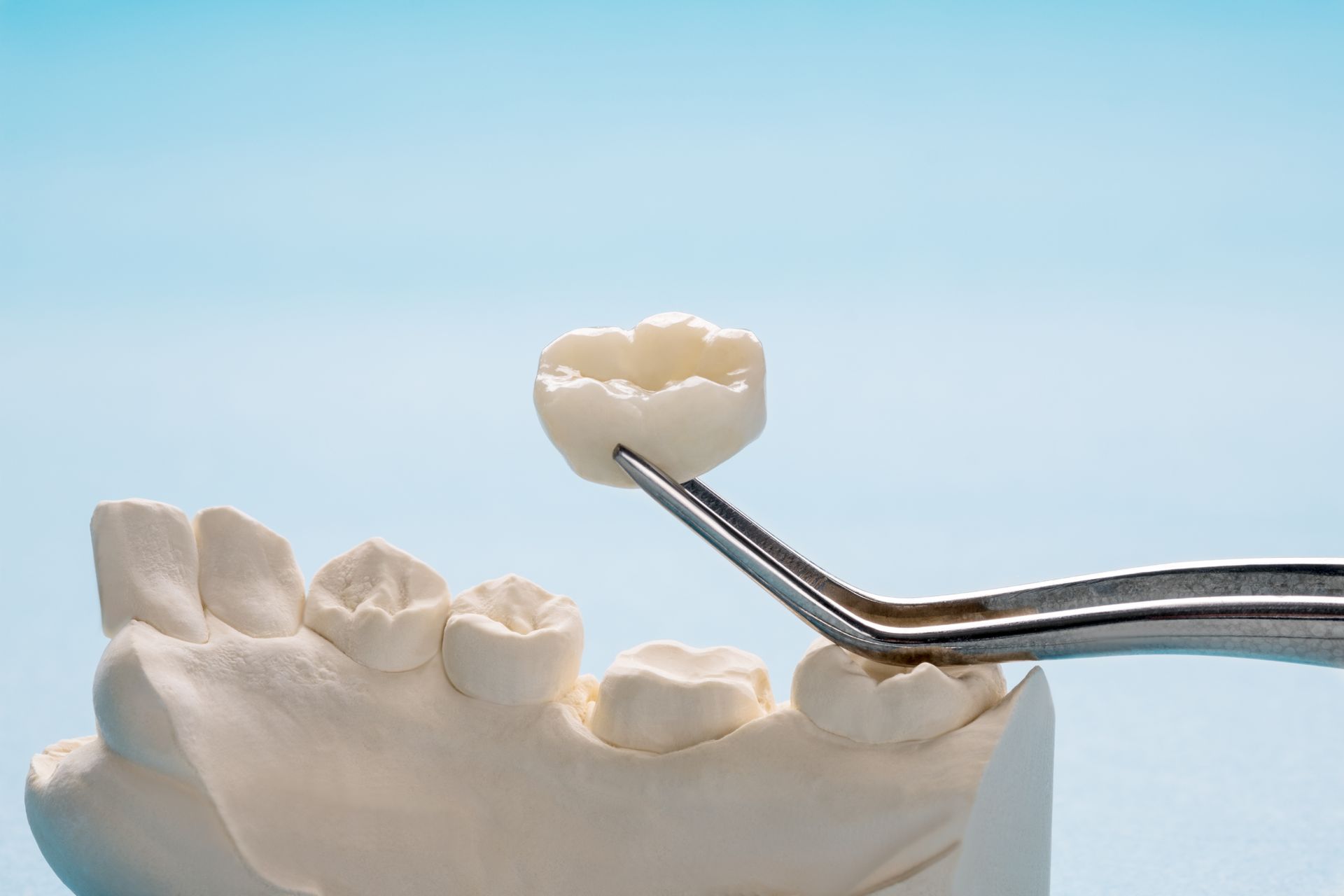
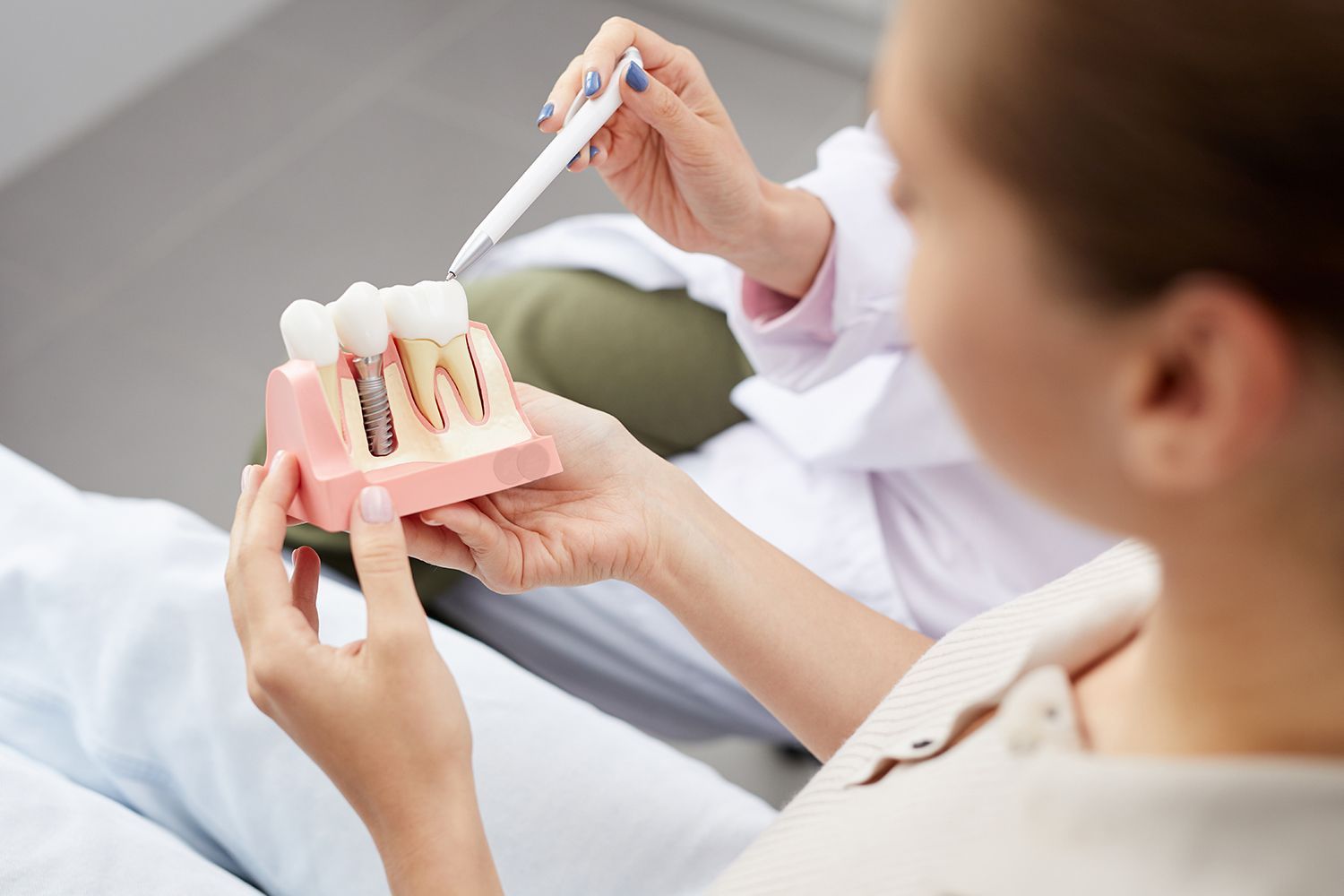
A dental crown is a cap that fits completely over a damaged or weakened tooth. It restores the tooth's shape, size, and function above the gum line. Crowns may be recommended for teeth with extensive decay, cracks, fractures, or teeth that have been treated with a root canal. They can also improve the look of teeth that are severely discolored or misshapen.
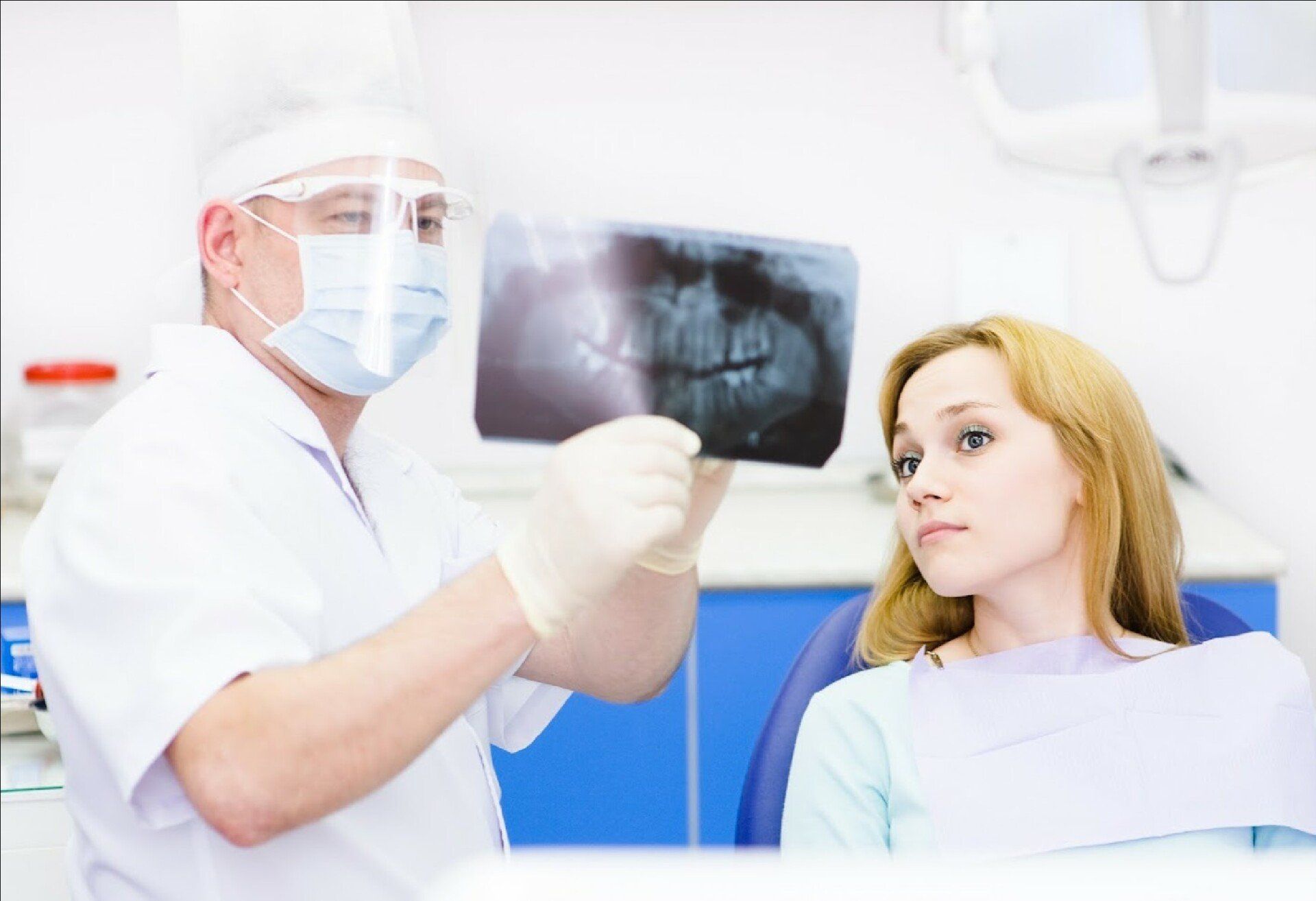
Not every damaged tooth needs a crown. Your dentist will evaluate your situation and help you decide whether a crown, a filling, or another restorative option is the better fit.
What Are the Main Types of Crown Materials?
Crown material affects durability, appearance, and how natural the tooth looks. Here is a breakdown of the most common options available today.
Porcelain Crowns
Porcelain crowns are made entirely from ceramic material and are designed to closely mimic the color and translucency of natural teeth. They are a popular choice for front teeth, where appearance matters most. Because they contain no metal, there is no risk of a gray or dark line showing at the gum line over time.
Porcelain crowns can be a strong option for patients with metal sensitivities. They are less resistant to heavy biting forces than zirconia or metal crowns, so they are not usually the first choice for back molars.
Zirconia Crowns
Zirconia crowns are made from a high-strength ceramic compound that can handle significant biting pressure. They combine durability with a natural-looking finish, making them suitable for both front and back teeth. Modern zirconia materials are also translucent, which helps them blend with surrounding teeth more naturally than earlier versions.
Zirconia is one of the most durable crown materials available today. Patients who grind their teeth or have heavy bites may find zirconia crowns a practical long-term solution. Because no metal is used, they also avoid the gum-line discoloration sometimes seen with older crown styles.
Porcelain-Fused-to-Metal (PFM) Crowns
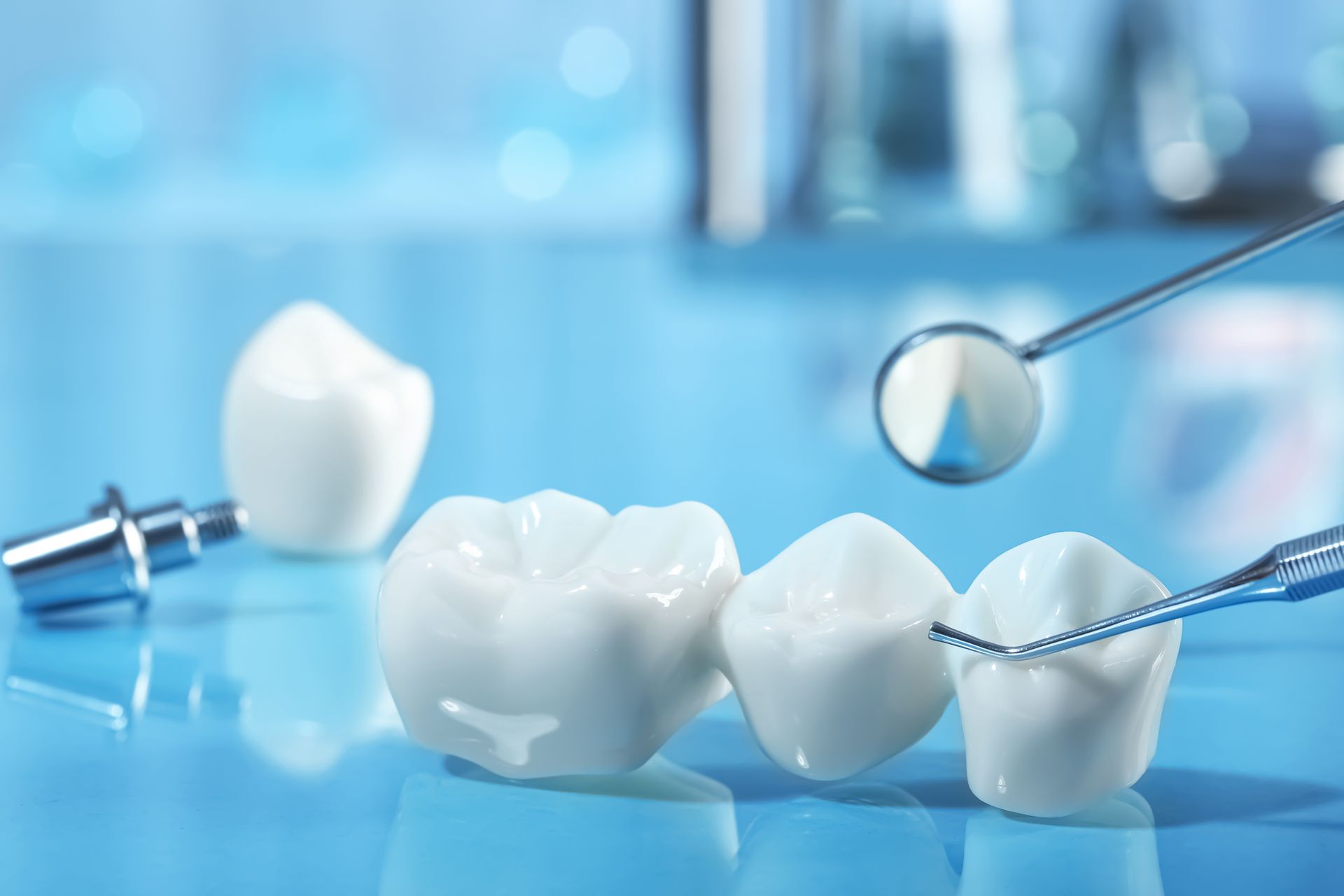
PFM crowns have a metal base with a porcelain layer bonded over the top. The metal provides strength, while the porcelain gives the crown a tooth-colored appearance. PFM crowns have been used reliably in dentistry for decades and remain a solid choice for many patients.
One consideration with PFM crowns is that the metal underneath can sometimes show as a thin dark line near the gum line, especially as gums recede naturally with age. For teeth further back in the mouth, where appearance matters less, this is usually not a concern.
Crown Material Comparison at a Glance
| Material | Strength | Aesthetics | Best Use |
|---|---|---|---|
| Porcelain | Moderate | Excellent | Front teeth. |
| Zirconia | Very High | Very Good | Front and back teeth. |
| PFM | High | Good | Back teeth, multi-unit cases. |
| Gold | Very High | Limited | Back molars, heavy grinders. |
How Long Do Dental Crowns Last?
Crown lifespan can vary based on material, placement, and how well a patient cares for their teeth. Most crowns last 10 to 15 years with proper oral hygiene. Many last longer when patients keep up with regular dental visits and avoid habits like grinding or chewing hard objects.
Zirconia crowns are generally considered among the most durable materials, while all-porcelain crowns may require more care to avoid chipping. Regular checkups allow your dentist to monitor crown condition and address any wear early.
Crown vs. Filling: How Do You Choose?
A filling is typically the right choice when tooth damage is limited and enough healthy tooth structure remains. A crown becomes necessary when decay or damage is more extensive and a filling would not adequately protect what is left of the tooth. After a root canal, the tooth can become brittle, which is why a crown is often placed to prevent fracture.
Patients in Marysville, WA, weighing Dental Crowns against other restorative options can visit the
dental crowns service page to learn more about what the procedure involves.
Schedule a Crown Consultation in Marysville
Jeffrey L. Erwin DDS has served patients in the Marysville, WA, area for over four decades. The practice offers restorative options including porcelain, zirconia, and PFM Dental Crowns tailored to each patient's needs. To learn which crown material may be right for you,
contact the office or call
(360) 659-7604 to schedule a consultation. Find the practice on Google and read patient reviews at
Jeffrey L. Erwin DDS.